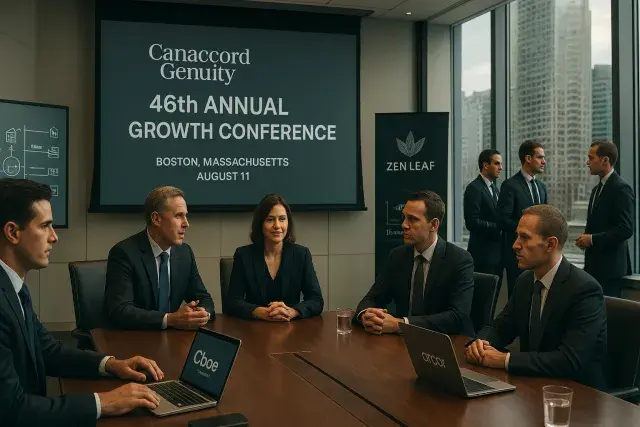
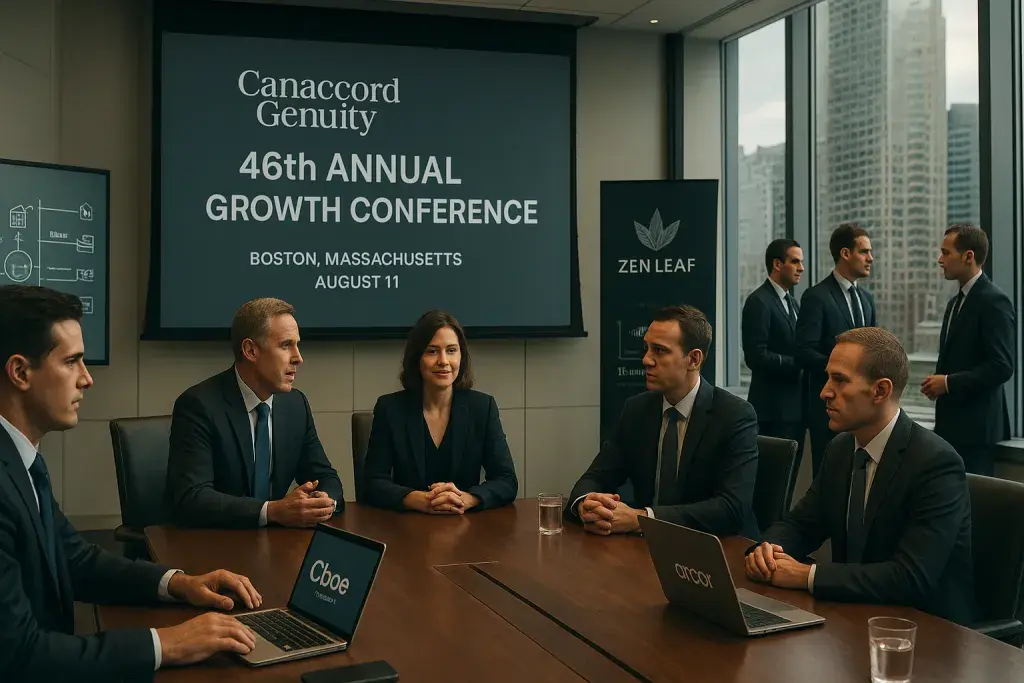
Verano Holdings Corp. will send members of its executive leadership team to Boston next week for the Canaccord Genuity 46th Annual Growth Conference, where the multi-state operator plans a fireside chat and a round of investor meetings on August 11. It's a routine stop on the institutional finance circuit, but for a company with active operations across 13 states, these sessions carry weight beyond the polite Q&A format - they're where multi-state operators make the case that vertical integration and disciplined capital allocation still pencil out in a sector still waiting on federal banking reform.
The timing matters. Cannabis operators have spent the better part of a decade building compliance infrastructure from scratch, state by state, often under license caps and residency requirements that shift with every legislative session. Massachusetts, one of the more mature adult-use markets Verano and its peers operate within, has pushed operators toward increasingly sophisticated back-end systems - seed-to-sale tracking, inventory reconciliation, and point-of-sale integration that regulators can audit on demand. Platforms built around Massachusetts seed-to-sale dispensary software have become part of the operational backbone that lets multi-state operators demonstrate compliance consistency to both regulators and the investors evaluating them in rooms like the one in Boston. That kind of infrastructure doesn't generate a headline on its own, but it's exactly the sort of operational detail growth-conference audiences ask about once the fireside chat moves past prepared remarks.
Why Investor Conferences Matter for Multi-State Operators
Fair enough, a conference appearance isn't news in the traditional sense. But for cannabis companies still shut out of major stock exchanges and traditional lending channels, forums like Canaccord's Growth Conference function as a substitute for the institutional access other industries take for granted. Verano trades on the Cboe Canada exchange and over-the-counter via OTCQX rather than a major U.S. exchange, a structural reality tied directly to cannabis's federal status. That listing limitation shapes how operators raise capital, service debt, and plan expansion - and it makes direct investor access at events like this one disproportionately important compared to a typical retail or consumer-goods company.
The Operational Backdrop Investors Will Ask About
Behind any fireside chat sits a harder set of questions: how a company manages wholesale pricing pressure, 280E tax exposure that inflates effective tax rates for plant-touching businesses, and the inventory shrinkage risks tied to running dispensary banners like Zen Leaf and MÜV alongside cultivation and production facilities. Verano's 14 production facilities and more than 1.1 million square feet of cultivation capacity represent real fixed costs that don't move with quarterly sentiment. Investors attending sessions like this one tend to probe less on brand strategy and more on margin durability - how a vertically integrated operator absorbs compliance costs, testing requirements, and packaging regulations across a dozen-plus distinct regulatory regimes without losing operating discipline. That's the unglamorous math that ultimately decides whether growth-stage cannabis companies convert conference exposure into sustained investor confidence.