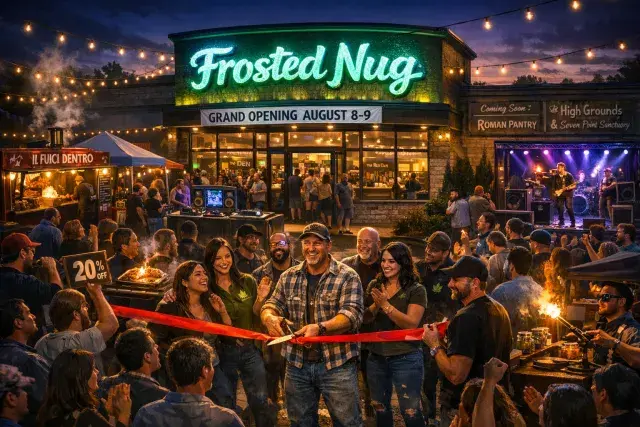
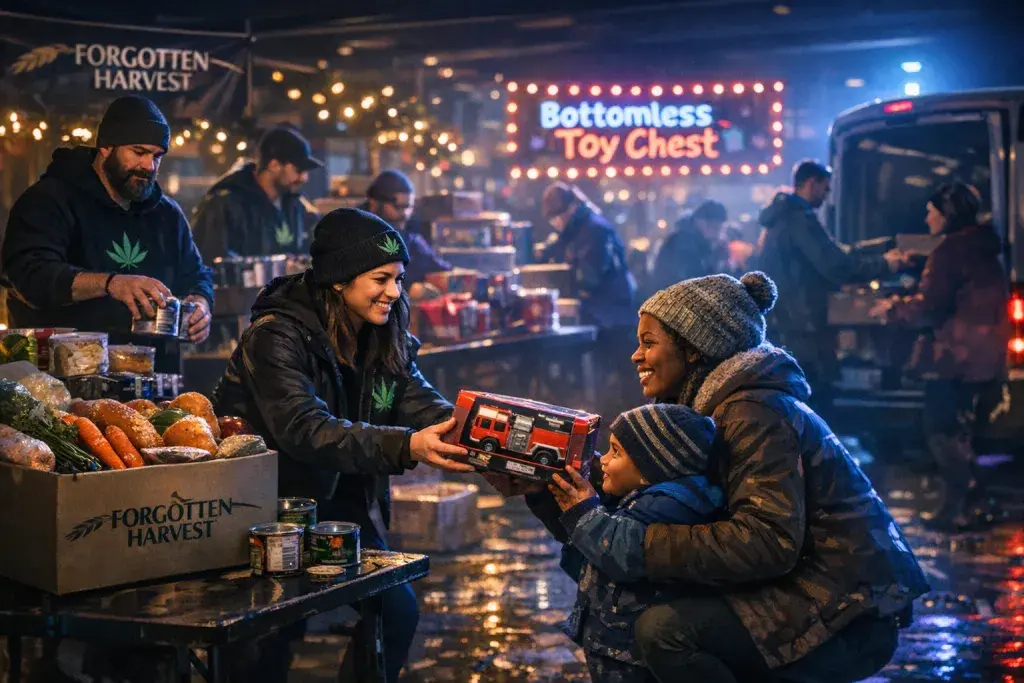
Recreational cannabis companies in Michigan join forces with food rescue organization Forgotten Harvest and toy donation group Bottomless Toy Chest to deliver holiday support to those in need. This collaboration channels industry resources toward food drives and toy distributions amid rising demand during winter months. The effort highlights a shift in how emerging sectors address community welfare.
Industry Steps into Community Support Role
Forgotten Harvest rescues surplus food from farms, grocers, and restaurants, redistributing it to pantries and shelters across southeast Michigan. Bottomless Toy Chest collects new toys year-round, focusing on holidays to ensure children in low-income households receive gifts. Cannabis businesses, operating legally since Michigan voters approved recreational sales in 2018, now contribute through donations, volunteer hours, and event hosting. These partnerships emerge as the industry matures, with companies seeking ways to build local goodwill beyond revenue generation.
Broader Context of Cannabis and Social Good
The recreational market has grown rapidly since legalization, prompting businesses to engage in philanthropy as a counterbalance to past stigmas around cannabis. Nonprofits benefit from corporate sponsorships that amplify their reach, especially when food insecurity affects one in eight Michigan households during economic pressures. Holiday initiatives like these provide immediate relief while fostering ongoing relationships, as businesses commit to sustained support rather than one-off gestures. This model draws from alcohol and tobacco industries, which long ago established community programs to offset regulatory scrutiny.
Implications for Business and Society
Such alliances signal cannabis firms' integration into mainstream commerce, where corporate social responsibility strengthens public perception and licenses. For recipients, the aid eases holiday strains on families facing inflation and job instability. Looking ahead, these efforts could expand if federal policy shifts further normalize the industry, encouraging more cross-sector collaborations. Nonprofits gain reliable partners with growing tax revenues, potentially stabilizing services long-term.
Holiday Timing Amplifies Impact
Winter campaigns target heightened needs, when cold weather and school closures exacerbate hunger and isolation. Cannabis outlets serve as collection points, drawing customers who donate while shopping. This direct involvement boosts participation and visibility, turning retail spaces into hubs of generosity. The approach underscores how legalized industries redirect profits to tangible community benefits, reshaping narratives around their societal role.