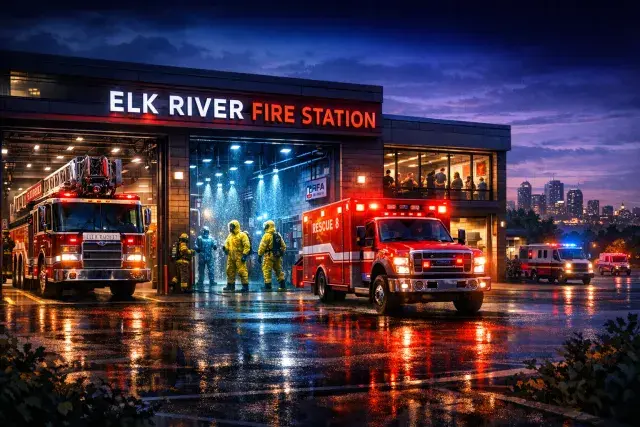
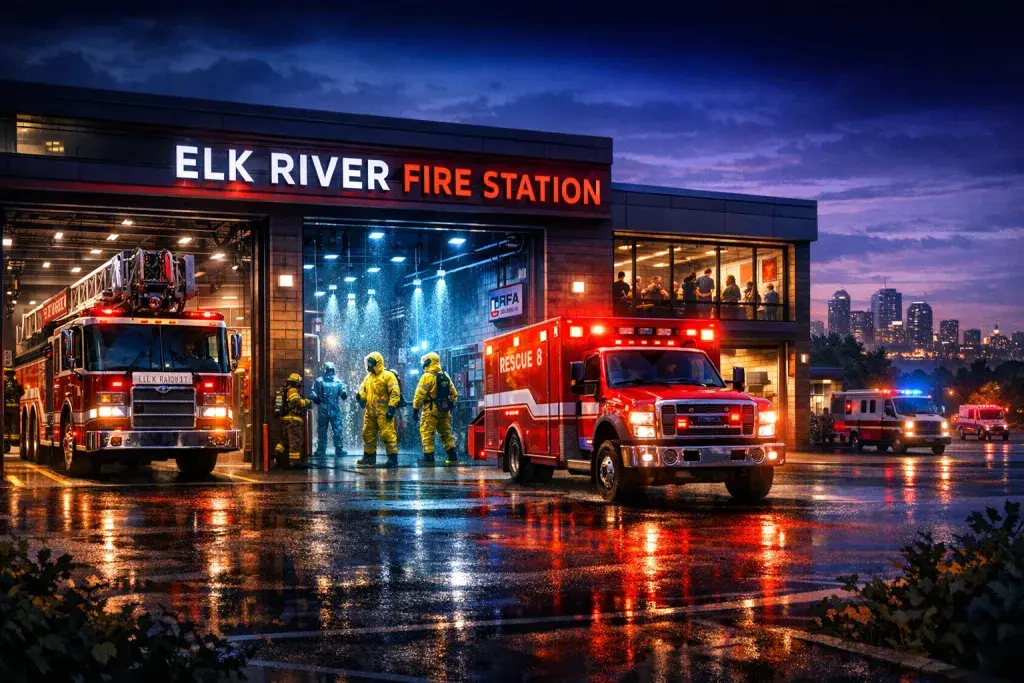
In Elk River, city officials are pushing forward with designs for a cutting-edge fire station that prioritizes space for oversized equipment, expansive training classrooms, properly scaled decontamination zones, and drive-through bays tailored to today's fire apparatus. This upgrade addresses critical gaps in public safety infrastructure, ensuring firefighters can respond more effectively to evolving urban hazards.
Key Features Tailored for Contemporary Needs
The proposed fire station, rendered by CNH Architects, incorporates forward-thinking elements to meet the demands of modern firefighting. Unlike older facilities cramped by legacy designs, this one emphasizes adaptability and efficiency.
- Sufficient space for bulky equipment, accommodating larger ladder trucks and specialized rescue vehicles that have grown in size over the past decade.
- Large classrooms dedicated to firefighter training and public education programs, fostering community resilience through hands-on fire prevention workshops.
- “Appropriately sized” decontamination areas, essential for handling hazardous materials incidents and post-exposure cleanup amid rising chemical and biological risks.
- Drive-through apparatus bays, allowing seamless vehicle access and maintenance without reversing maneuvers that waste time in emergencies.
Overcoming an Aging Infrastructure Legacy
Elk River's current fire station, like many built in the mid-20th century, struggles with outdated layouts ill-suited for today's realities. Fire engines have expanded by up to 20% in length and width since the 1970s, per industry standards from the National Fire Protection Association (NFPA), turning tight bays into operational bottlenecks. Decontamination was often an afterthought, with makeshift setups that fail NFPA 1521 guidelines for hazmat response. These plans rectify that, drawing from best practices in stations across Minnesota and the Midwest where similar retrofits have cut response times by 15-20%.
Implications for Community Safety and Resilience
Beyond immediate operational gains, the new station aligns with national trends toward integrated emergency services hubs. As urban areas face more frequent wildfires, industrial accidents, and pandemics—evidenced by a 30% uptick in hazmat calls nationwide since 2010—this facility positions Elk River as a safety leader. Public education spaces could serve thousands annually, reducing residential fire incidents through proactive outreach, much like successful programs in comparable cities that lowered injury rates by 25%. Long-term, it supports recruitment by offering superior training environments, combating the firefighter shortage affecting 80% of U.S. departments.
With construction timelines pending council approval, Elk River's vision promises a safer tomorrow, blending innovation with practical foresight in public protection.