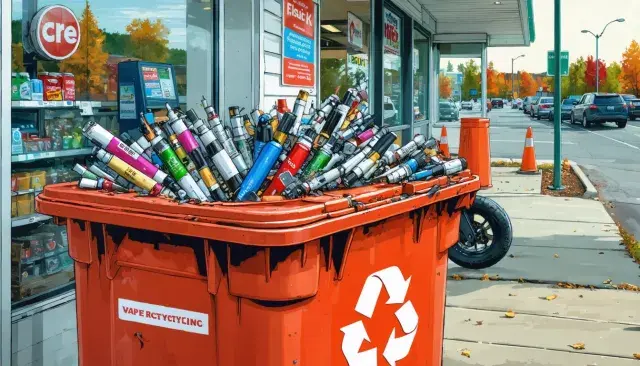
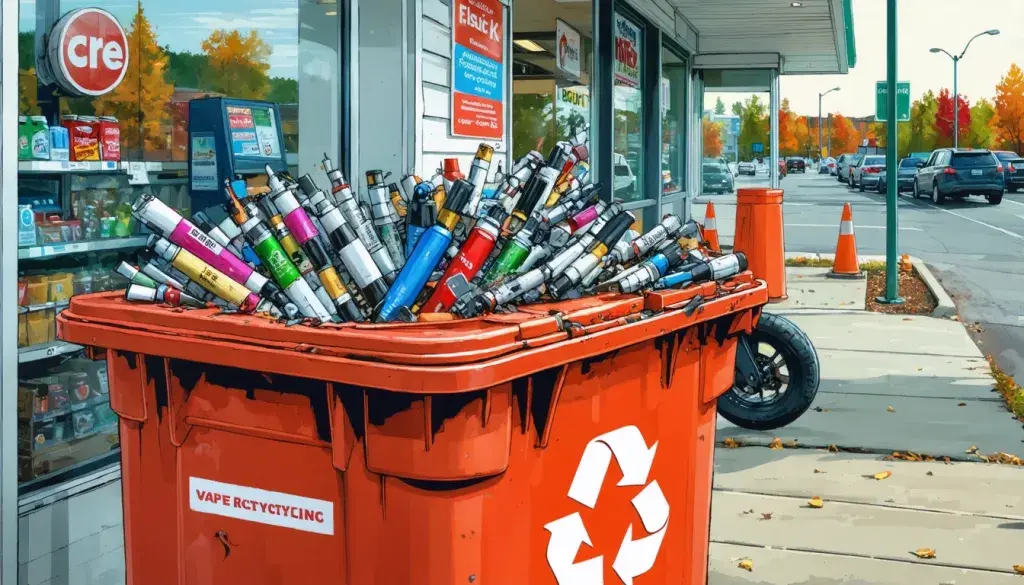
In Marquette, Michigan, Citizens for a Safe & Clean Lake Superior is scaling up its vape recycling program after a successful pilot, aiming to keep hazardous e-cigarette waste out of landfills and waterways. Launched fully on December 1, this initiative addresses a growing environmental threat from disposable vapes, protecting soil, groundwater, and Lake Superior from toxic leaching.
Pilot Triumph Fuels Broader Rollout
The organization's one-year pilot at Kenny’s Corner Store in downtown Marquette collected over 4,000 used vapes, proving strong community demand. Director Jane Fitkin highlighted this success as the foundation for expansion to Circle K stores along U.S. 41 in Harvey, Marquette, Negaunee, and Ishpeming. Residents can now drop off empty nicotine vapes at these convenient spots for proper recycling.
Hazards of Improper Vape Disposal
Disposable e-cigarettes pack serious risks: lithium batteries that spark landfill fires and leach heavy metals like cobalt and nickel into soil and water, plus residual liquid nicotine—a potent neurotoxin harmful to wildlife and humans. When littered, these devices fragment, releasing plastics and chemicals that persist for years. Fitkin calls them "super hazardous," underscoring how even small-scale littering amplifies pollution in sensitive ecosystems like the Great Lakes region.
- Lithium batteries: Cause fires; leach heavy metals.
- Nicotine concentrate: Toxic to aquatic life; bioaccumulates in food chains.
- Plastic casings: Microplastics contribute to long-term soil and water contamination.
Recycling Process and Expansion Plans
Volunteers consolidate vapes at bimonthly "Tape the Vapes" events, preparing them for shipment to Recycle 906, which forwards bulk loads to specialized battery recyclers. Currently nicotine-only, the program eyes cannabis vapes soon, sponsored by local dispensary The Fire Station Cannabis Company. Regulatory hurdles for cannabis waste are being navigated, promising comprehensive coverage amid rising vape use nationwide.
Implications for Public and Planetary Health
This effort ties into surging e-cigarette popularity—U.S. youth vaping rates hover around 10%, per health data—driving waste volumes that dwarf traditional cigarette butts. By recycling batteries and neutralizing nicotine, Marquette's model reduces fire risks, cuts pollution, and sets a template for other communities. Protecting Lake Superior, a vital drinking water source for millions, exemplifies how local action counters global trends in single-use electronics waste, fostering safer environments and healthier populations.