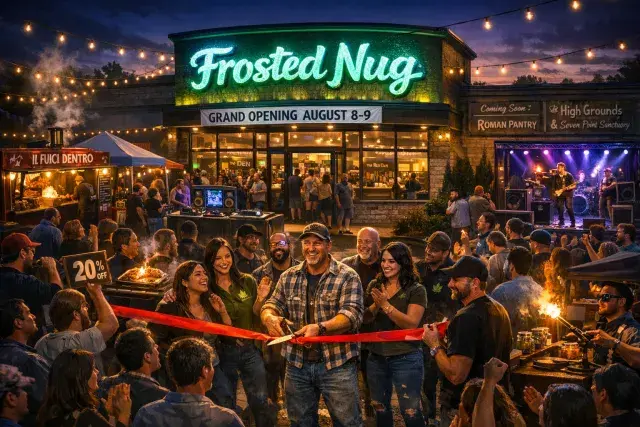

Madison Heights City Council voted unanimously in February to cut licenses for medical and recreational marijuana businesses, aiming to prevent industry saturation and encourage a broader commercial mix. Officials revoked one non-compliant license after two years of failed cooperation, prompting this "rightsizing" of the ordinance. The move aligns city regulations with its master plan, freeing space for other enterprises.
Revocation Ignites Ordinance Overhaul
Mayor Corey Haines explained that a Dequindre Road license, part of five planned "stacked" facilities, was revoked at the end of 2025 for noncompliance. Efforts to open the business stalled despite repeated urging. This incident revealed excess capacity, as no applicants pursued several licenses, leading council to eliminate them alongside the revocation.
Targeted Reductions in License Categories
The amendments limit adult-use retailer and processor licenses to four from five, cap transporters at one, and restrict safety compliance facilities to four. Grower Class C licenses dropped from 25 to eight. Medical marijuana faces parallel cuts: retailers, processors, and growers to four each, with transporters and safety facilities also at one and four. Allowed areas shrank to specific parcels within the "green zone," which enforces setbacks from schools and residences.
From Competitive Bidding to Community Gains
Since authorizing medical marijuana in early 2019 and adding recreational later, Madison Heights used a scoring system for licenses, assessing experience, finances, security, compliance, and site fit. Existing operators—Liberty Cannabis, Puff Cannabis, and Quality Roots—generate tax revenue, occupy vacant properties, and fund city improvements through the Madison Heights Community Foundation. Contributions support gateway signage, event sponsorships, murals, and public safety equipment.
Council Eyes Stable, Varied Future
Councilmember Sean Fleming favors maintaining current businesses amid a new 24% state sales tax, questioning expansion viability. Councilmember Emily Rohrbach welcomes fewer locations to curb past lawsuits and foster diverse investments. Leaders anticipate stability, reducing legal costs and bolstering competition for non-cannabis ventures.