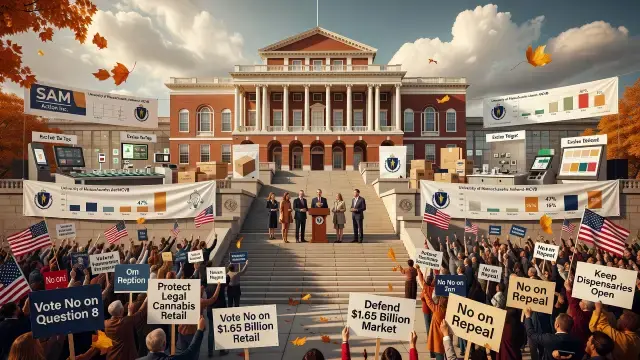
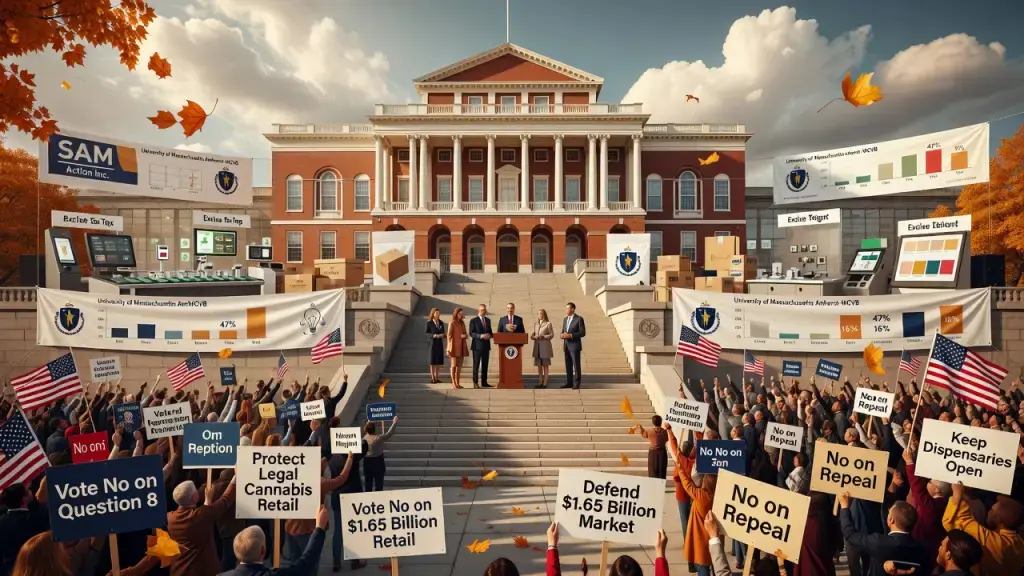
A ballot measure bankrolled by the nation's most prominent anti-cannabis group appears to be heading for a lopsided defeat in Massachusetts, and the latest polling suggests defending legal cannabis retail has become something rare in state politics: a cause that actually unites voters. The University of Massachusetts, Amherst-WCVB poll, released Monday, found Question 8 - a measure to end adult-use cannabis sales while preserving possession and medical access - trailing every other ballot question in voter support.
What Question 8 Would Actually Change
Question 8 wouldn't touch personal possession limits or medical cannabis dispensaries. It would eliminate the retail licensing structure that lets adult-use operators sell to the general public - effectively dismantling the $1.65 billion commercial market built since Massachusetts legalized sales years ago. That distinction matters for operators: this isn't a recriminalization of cannabis itself, it's a targeted strike on the point-of-sale infrastructure, the storefronts, the wholesale supply chain, and the tax revenue tied to retail licensing. For multi-state operators with capital deployed in Massachusetts real estate, build-outs, and compliant packaging systems, that's a distinction without much comfort.
The measure qualified for the ballot amid accusations of deceptive signature-gathering tactics, which itself has become a talking point for opponents. Nearly all of the $3.5 million raised to support Question 8 through September came from SAM Action, Inc., the political arm of Smart Approaches to Marijuana - not from in-state grassroots organizing. That funding profile is worth sitting with: this is a national advocacy campaign using Massachusetts as a test case, and if it succeeded, operators and regulators in other adult-use states would likely see similar repeal language surface on their own ballots.
Polling Numbers Tell a Lopsided Story
Of the nine ballot questions facing Massachusetts voters this cycle, Question 8 has the lowest level of committed support. Just 16% of the 800 registered voters surveyed between Oct. 5 and Oct. 12 said they would definitely vote yes to end adult-use sales. Forty-seven percent said they'd definitely vote no - the strongest opposition number recorded for any question on the ballot, according to the poll, which carries a 4.6% margin of error. Ballot questions pass in Massachusetts by simple majority, so a gap that wide, this early, is not the kind of number a repeal campaign wants to see weeks out.
What's striking here is the consistency. This isn't an outlier poll; it tracks with prior surveys showing the same trajectory toward defeat. For an industry accustomed to volatile public opinion and local zoning fights, a stable and growing opposition number is unusual - and reassuring for operators trying to plan inventory, staffing, and wholesale menus around a market that isn't about to evaporate.
Elected Officials Are Lining Up Against Repeal
The political opposition to Question 8 has become difficult to ignore. Gov. Maura Healey and Boston's mayor have both backed the existing adult-use framework, and 62 members of the state Legislature - including House Speaker Ronald Mariano and Senate President Karen Spilka - have publicly opposed repeal, per the No on 8 campaign. Worcester's city council was set to vote Tuesday on a resolution from Mayor Joe Petty supporting "a responsible and well-regulated adult-use cannabis marketplace," putting the state's second-largest city on record alongside Boston.
For dispensary owners and compliance teams, this kind of bipartisan-adjacent alignment matters beyond the symbolism. It signals that the regulatory apparatus built around seed-to-sale tracking, excise tax collection, lab testing requirements, and licensing oversight isn't likely to face hostile legislative review even if Question 8 fails to gain traction, as expected. That stability is worth something to operators still absorbing the cost burden of 280E taxation and managing thin margins on wholesale pricing. A quiet ballot defeat would let the industry keep building instead of defending its right to exist.