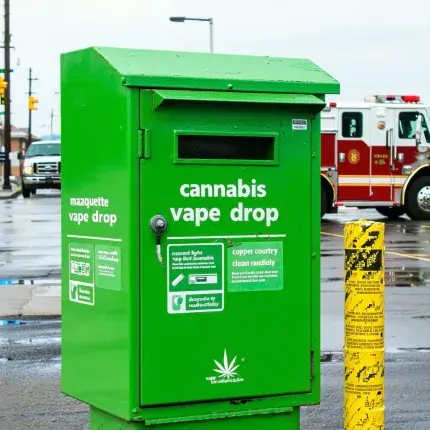
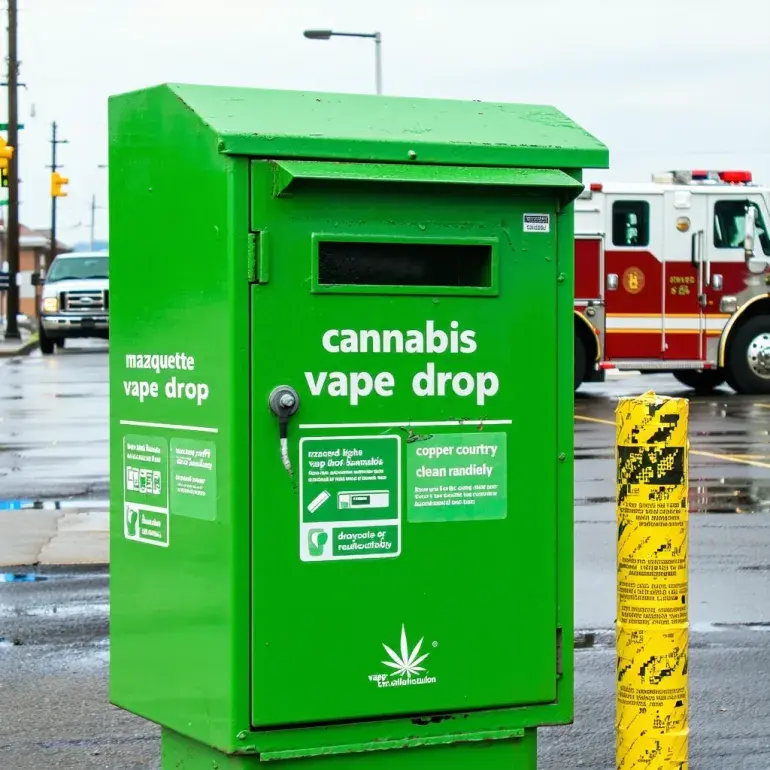
In Marquette, Michigan, starting March 4, The Fire Station and the Copper Country Clean Landfill Solutions (CSCLS) are deploying cannabis vape drop-off boxes at key public spots to tackle landfill pollution from discarded cartridges. This initiative matters because empty vapes harbor residual e-liquids and electronic components that leach toxins, threatening local waterways and public health in a region surrounded by sensitive Great Lakes ecosystems.
Strategic Locations for Easy Access
Residents can now responsibly dispose of cannabis vape cartridges at convenient sites, making recycling seamless amid rising vape use. Nicotine cartridges find homes at retail spots too.
- Peter White Public Library
- Superior Watershed Partnership Climate Office
- Multiple Circle K locations
- Kenny’s Corner Store (for nicotine vapes)
CSCLS Outreach Coordinator Chris Crouse emphasizes that even "empty" devices retain oils and metals, amplifying pollution risks.
The Hidden Dangers of Vape Waste
Vape cartridges aren't benign trash; they're e-waste bombs packed with lithium batteries, heavy metals like nickel and cobalt, and propylene glycol-based e-liquids. In landfills, these break down slowly, releasing contaminants that contaminate groundwater—studies show e-waste contributes to 70% of heavy metal pollution in some municipal dumps. Michigan's vape boom, fueled by cannabis legalization since 2018, has spiked discards; nationally, over 100 million cartridges hit landfills yearly, per EPA estimates, mirroring a global e-waste crisis projected to reach 75 million tons by 2030.
Health, Environment, and Future Steps
This program addresses vaping's dark side: nicotine addiction grips 20% of U.S. youth, while cannabis vapes surge post-legalization, yet disposal lags. Implications extend to preventing microplastic proliferation and battery fires, which ignite 1 in 10 U.S. landfill blazes. The Fire Station eyes on-site recycling at dispensaries but navigates state regs— a model that could inspire Michigan's 600+ cannabis shops. By curbing pollution, Marquette sets a blueprint for sustainable consumption in legal weed era, safeguarding Lake Superior's watershed for generations.